
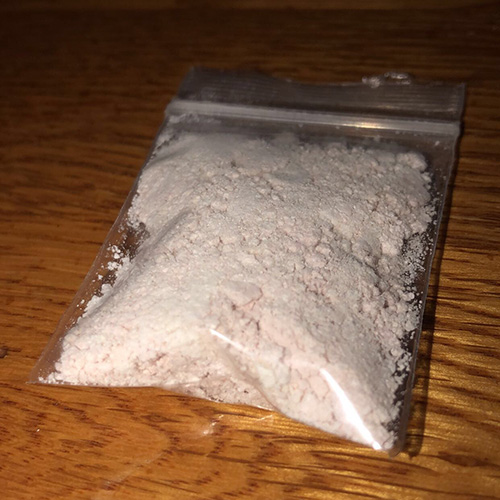
6-APB (6-(2-Aminopropyl)benzofuran): Overview
6-APB is a synthetic compound belonging to the benzofuran class. It has been discussed in scientific and academic contexts due to its structural relationship to certain entactogenic and stimulant substances studied in neuropharmacology.
Chemical Classification
- Class: Benzofuran derivative
- Related fields of study: Neurochemistry, psychopharmacology
- Structural relation: Shares similarities with compounds researched for their effects on monoamine neurotransmitters
Mechanism of Action (Research Context)
In laboratory and theoretical studies, 6-APB is noted for interacting with monoamine systems, particularly:
- Serotonin
- Dopamine
- Norepinephrine
These neurotransmitters are involved in mood regulation, alertness, and social behavior. Because of this interaction profile, 6-APB is often referenced in discussions about entactogen-like compounds in research literature.
Research Status
- 6-APB is not an approved medicine
- There are limited controlled human studies
- Much of the available information comes from chemical analysis, receptor-binding studies, and animal models
Due to the lack of long-term clinical research, its full pharmacological and health profile remains incompletely understood.
Safety and Health Considerations
From a scientific and public health perspective:
- Long-term effects are unknown
- Potency and purity can vary significantly outside controlled environments
- Compounds affecting serotonin systems may carry risks related to neurotoxicity, cardiovascular strain, and mental health
Because of these uncertainties, health authorities generally caution against non-medical exposure.
Legal Status
The legal status of 6-APB varies by country. In many regions, it is:
- Explicitly controlled, or
- Covered under analogue or blanket psychoactive substance laws
Anyone studying or referencing the compound should verify current local regulations, as legal classifications can change.
Summary
6-APB is a synthetic benzofuran compound primarily discussed in research and academic contexts due to its interaction with monoamine neurotransmitters. While it has been compared structurally to other entactogenic substances in scientific literature, limited clinical data and legal restrictions make it a compound of concern rather than an established therapeutic agent.
| Quantity | 2g, 5g, 10g |
|---|
Be the first to review “6-apb”
Related products
Reviews
There are no reviews yet.